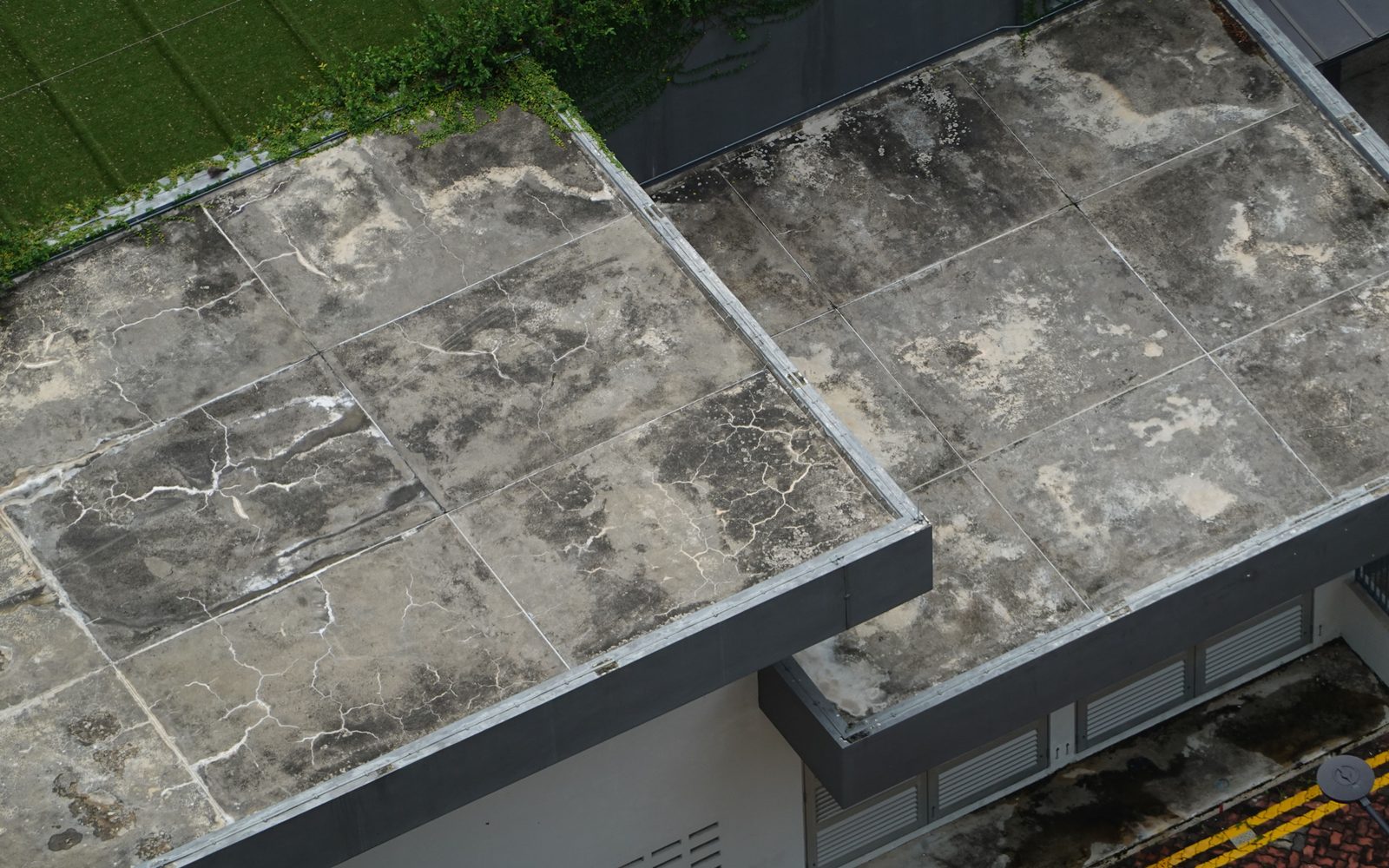
A roof inspection report is the deliverable you are paying for. A strong report lets someone who never saw the roof understand its condition, find every defect again, and decide what to spend and when. Everything else in an inspection is process. The report is the product.
That matters because the report is what outlives the visit. It goes into a budget, an insurance renewal, a warranty claim, a tender pack or a property sale, sometimes years later, and it has to work without the inspector standing next to it explaining what they meant.
What a complete report contains
- Property and roof details: address, roof areas, system types, estimated age
- Scope and methods: what was inspected and which methods were used
- Findings: each defect with a photo, a location and a description
- Ratings: each defect ranked by urgency, such as immediate, within a year, or monitor
- Moisture results: if tested, a map of wet and dry areas
- Remaining life: an estimate with the reasons behind it
- Recommendations: repair, restore or replace, with a rough budget range
- Inspector details: name, credentials and date
Two more items separate a good report from a competent one. A marked roof plan, so every finding has a position rather than a description of a position. And a statement of limitations, naming what was not inspected and why, such as an area under snow, a locked section or a roof viewed from a neighbouring building.
How to read it
Start with the summary and the urgent items, then read the scope. The scope tells you what the rest of the report is allowed to say. A report that covered one of three roof sections cannot describe the building, however thorough it is about that section.
Then work through the findings with the roof plan beside you. For each one, check that you could walk onto the roof and find the exact spot from the photograph and the location given. If you could not, the finding is a note rather than a record, and it will be useless in a year.
Read the ratings as a sequence, not as a list. Immediate items are usually water getting in now. Within a year items are defects that will become immediate through a winter. Monitor items are the ones that make the next report valuable, because their rate of change is the real information.
Remaining life estimates should explain their reasoning, such as surface wear, seam condition or moisture results, rather than state a number alone. A number with reasoning behind it can be challenged, tested and updated. A number alone cannot.
Findings, causes and recommendations are three different things
Weak reports blur them. Strong ones keep them apart, and reading them separately makes a report far easier to use.
| Layer | The question it answers | What good looks like |
|---|---|---|
| Finding | What is there? | An open seam of stated length at a stated location, photographed |
| Cause | Why is it there? | Membrane shrinkage, traffic damage, poor drainage, a failed detail |
| Recommendation | What now? | A defined action, a priority and an indication of scale |
The cause layer is the one most often missing, and it is the one that decides whether money is well spent. A patched puncture on a traffic route will be back next year unless walkway protection goes in at the same time. A drain cleared without asking why it blocked will block again. Ask the inspector to state a cause for every repeat defect, and read any report that lists findings without causes as an incomplete piece of work.
Photographs are evidence, not decoration
A photograph earns its place when it does three things: shows the defect clearly, shows enough context to locate it, and can be repeated from the same position next visit.
That last point is the one owners miss. Photographs taken from a fixed reference such as a drain, a corner or a rooftop unit turn a series of reports into a time series. You stop arguing about whether a ponding area is getting worse and start measuring it. Annotation helps as well: an arrow, a chalk mark or a scale object in frame makes a photograph usable by someone else years later.
If a report arrives with close up images and no wide shots, ask for wide shots. A tight photograph of a split seam with no surroundings is unlocatable, and an unlocatable defect cannot be priced.
Red flags in a report
- No photos, or photos with no location
- Vague language such as fair condition with no detail behind it
- A report that recommends replacement without any moisture testing
- No inspector name or date
- Findings copied from a template, with generic wording that could describe any roof
- A recommendation that names a single contractor and a single price with no scope
- No statement of what was excluded from the inspection
The replacement recommendation with no testing is the expensive one. Replacement is the largest decision an owner makes about a roof, and it rests on how much of the assembly is wet. Without a moisture survey or core samples, nobody knows. Our guide to inspection methods explains which tests answer that question and when each is worth paying for.
What a report cannot tell you
A good report is honest about its own edges, and knowing them stops you asking the document to carry weight it was never built for.
It cannot tell you what is under the membrane unless something was opened or scanned. A visual inspection describes a surface. Anything said about the insulation or the deck without testing is inference, and it should be written as inference.
It cannot give you a firm price. Budget ranges in a report are for planning, not for contracting. The number changes once a contractor opens the roof and finds how far the wet area runs.
It cannot promise a date of failure. Remaining life is a judgment built from wear, detailing, moisture and history, and it moves with weather, traffic and how the roof is looked after.
It cannot decide policy cover. An inspector describes damage and its likely cause. Whether a policy responds is a matter for the insurer and the wording.
A report that claims more than this is overselling itself, and an inspector who writes in absolutes is easier to catch out later than one who writes in evidence.
Turning a report into a plan
A report you only read once has done a fraction of its job. Convert it into three lists.
- Do now. Immediate items, with a contractor and a date. Water coming in is not a budget item.
- Budget this year. Within a year items, grouped by area so a contractor can price one visit rather than five.
- Watch. Monitor items, re photographed at the next inspection from the same positions.
Then use the report to write the repair scope rather than asking contractors to invent one. When every bidder prices the same defect list with the same photographs, the quotes become comparable, and the conversation moves from whose opinion you trust to who is offering the better price for identical work.
Comparing reports over time
The single most valuable report is the second one. The first describes a roof. The second describes a trajectory, and a trajectory is what a capital plan needs.
Keep them in one file with the dates, the photographs and a note of what was done after each. Over three or four cycles you will see which defects are static, which are spreading and which keep coming back after repair. Recurring defects are the ones worth real money to solve properly, because they are paying a contractor repeatedly to treat a symptom.
Use our inspection checklist to confirm nothing was skipped, and read what an inspection costs before you agree the scope of the next one.
Common questions
How long should a roof inspection report be?
Long enough to let someone who never saw the roof act on it, and no longer. Page count is a poor measure of quality on its own.
- A small simple roof may need a handful of pages
- A large commercial roof runs to dozens, most of it photographs
- Can you find each defect on a plan, with a photograph and a location
- Is there a rating on each item and a reason behind the remaining life
- Is there a plain summary a finance director could read in two minutes
A one page letter cannot carry enough evidence to support a budget decision or a claim, and a hundred pages of general roofing with your building near the back is padding sold by the pound. The useful report is mostly your building.
Do I own the roof inspection report I paid for?
If you commissioned and paid for it, you should own the right to use it, but that depends on what the engagement says rather than on what feels fair.
- Some inspectors retain copyright and license the report for a stated purpose
- It matters when sending it to contractors for pricing
- It matters when giving it to an insurer, a lender or a buyer
- Reliance is separate from ownership, and third parties may be excluded
- That can force a buyer to commission their own report
Settle this before the visit. Ask who the report will be addressed to, whether you may pass it to named third parties, and whether a reliance letter can be issued, then get the answers in the engagement email. It costs nothing then and can be impossible later.
Will an insurer accept a roof inspection report?
Insurers accept reports that are specific, dated and evidenced, and dismiss reports that are general.
- It has to identify the roof and state when it was inspected
- Each defect needs a photograph and a location
- Existing wear has to be separated from damage caused by a particular event
- Two reports from the same positions, before and after, are the strongest evidence
- A finding saying the roof is worn helps nobody
Bruised surfacing consistent with impact, in a pattern across the windward slope, with dented vent caps nearby, is a claim. Keep the inspector to descriptions rather than conclusions about cover, and give the insurer your maintenance records, because cover often depends on them. That is the practical argument for routine inspections even when nothing is wrong.
What is the difference between an inspection report and a roof certification?
An inspection report describes condition. A certification is a short statement, usually by a contractor, that the roof is watertight and expected to remain so for a stated period.
- One is a diagnosis with evidence, the other a limited assurance with a deadline
- A report lists every defect, ranks it and leaves you to decide
- A certification usually comes after repairs and is tied to the issuing company
- It may be worth nothing if that firm stops trading or others work on the roof
- Certifications exclude storm damage, other trades and anything beyond the covering
If a lender or buyer asks for a certification, supply it, and commission a full inspection for your own purposes as well. The certification answers whether the roof leaks now. The report answers what it will cost over the next several years.
How long is a roof inspection report valid?
Treat it as a snapshot of the day it was written rather than a document with a fixed shelf life. In practice buyers, lenders and insurers want a recent one.
- One hail or wind event can change a roof in an hour
- A single service visit to a rooftop unit can leave a puncture nobody saw
- Unaddressed urgent items mean the roof has since got worse
- Read every old report as a baseline rather than as a verdict
- Compare it with the current walk and let the difference drive the decision
A defect that has stayed the same for two years and one that has doubled need very different responses, and only the comparison tells you which you are looking at. A report also loses value the moment a storm or a re roofing project follows its date.